
Sizzling Butter & Fluffy Dough: The Ultimate Stovetop Bread
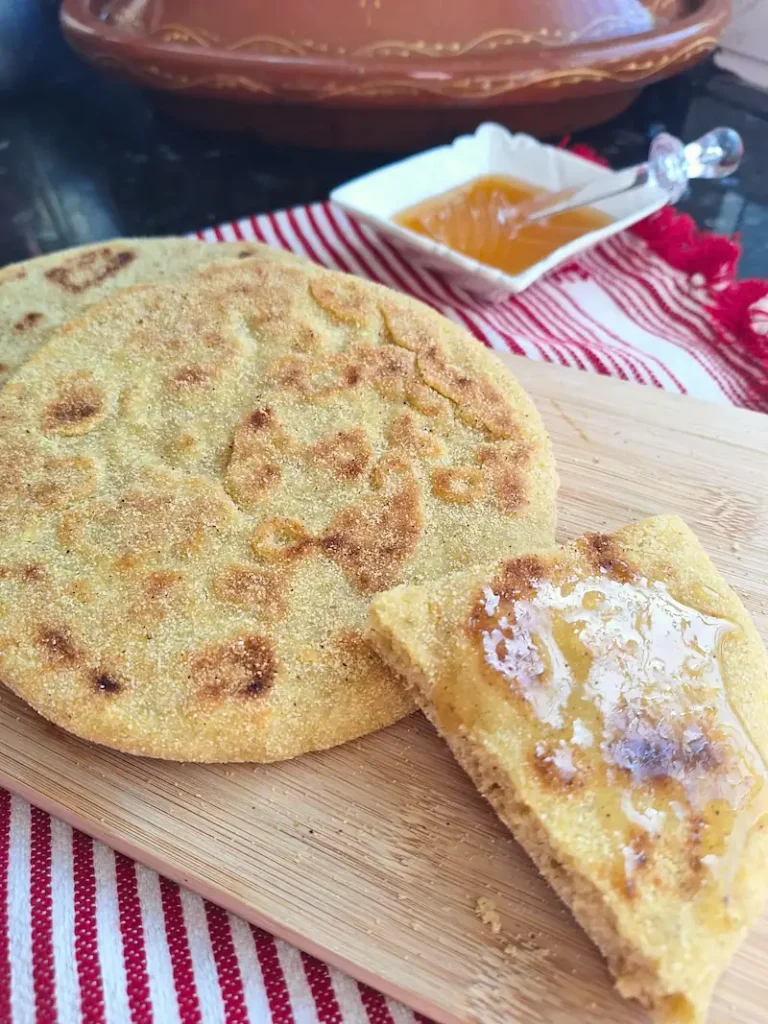
There is no morning alarm clock in our house quite like the scent of sizzling butter and toasting semolina. In Morocco, waking up to a stack of warm, freshly cooked Batbout is the absolute definition of comfort. Whether you are tearing into this fluffy Moroccan flatbread to scoop up a savory rich stew, dipping it into a sweet pool of warm honey and olive oil for a classic morning ftour (breakfast), or stacking it high for a traditional Ramadan Iftar table, it is the undisputed king of the table.
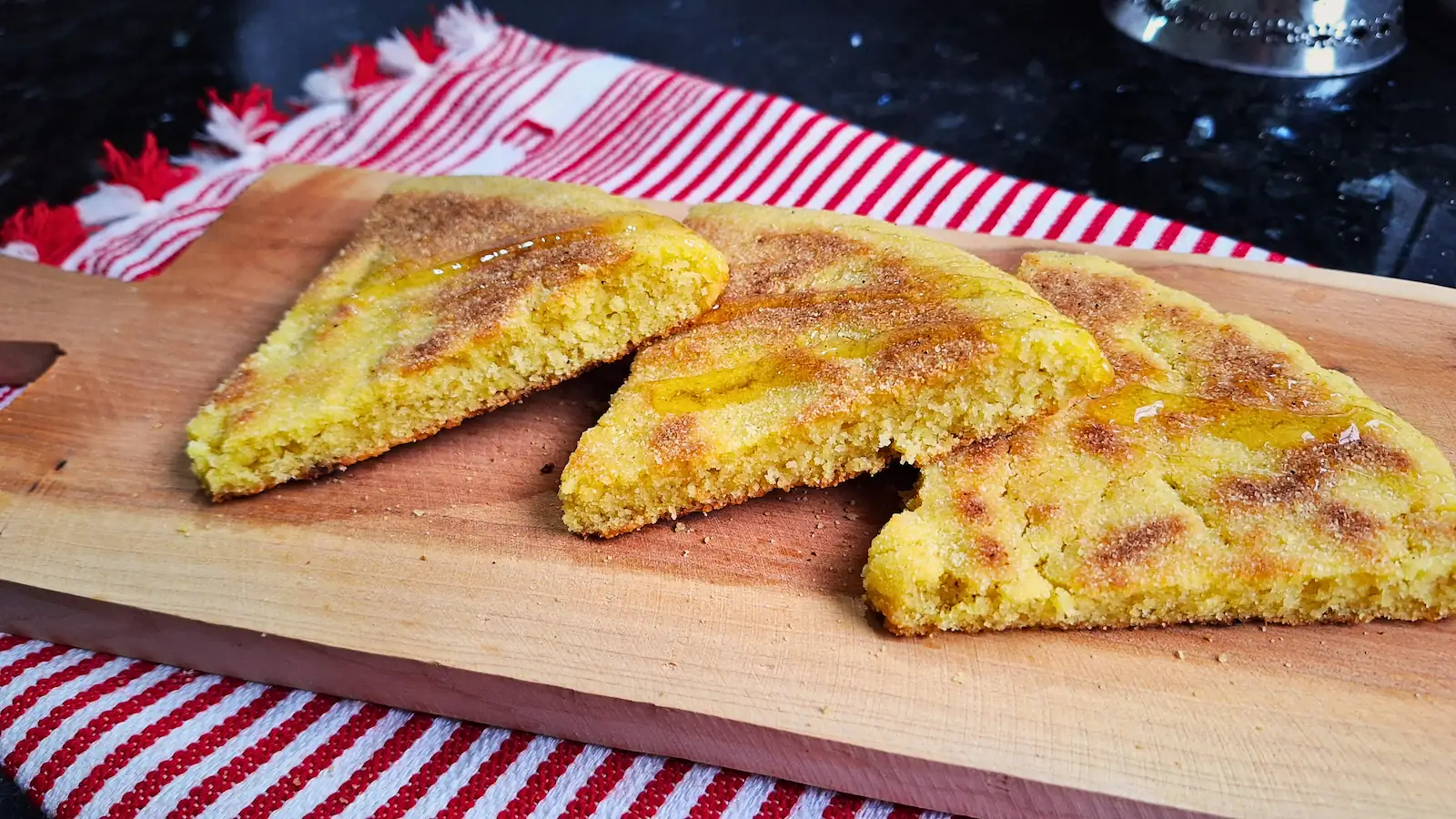
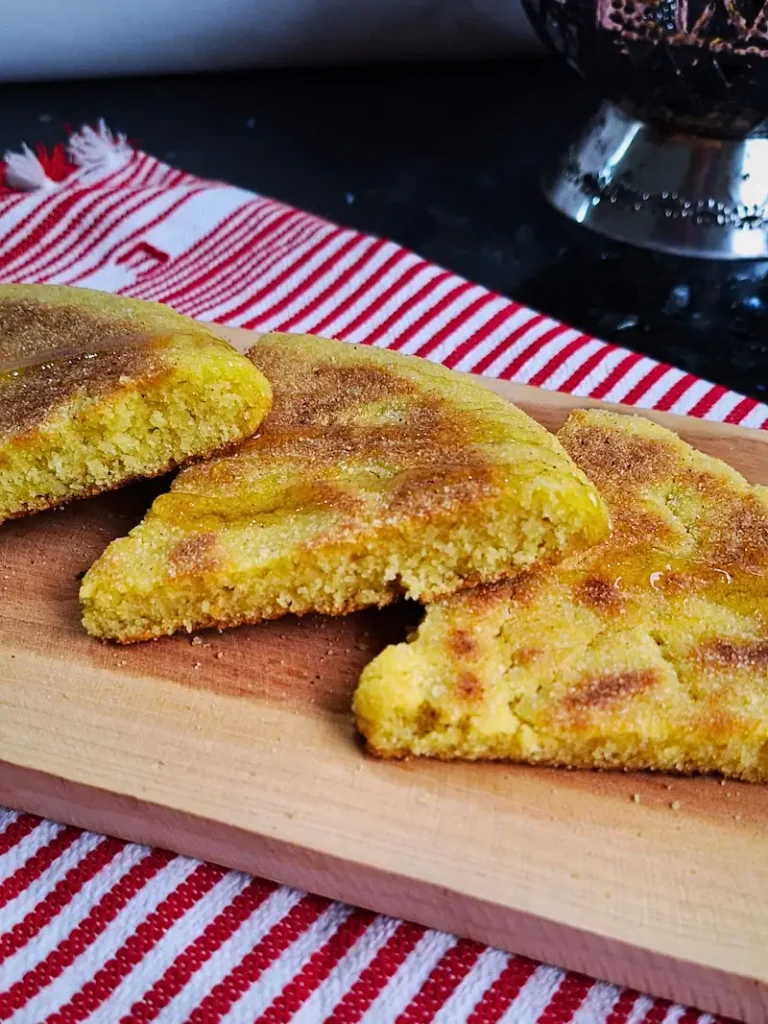
If you have never experienced authentic Moroccan Batbout, imagine the perfect culinary hybrid between a soft English muffin and an airy Moroccan pita bread. By blending standard all-purpose flour with Fino (extra-fine semolina flour), the bread develops a beautiful, slightly nutty crumb and a delicate interior pocket.
But the absolute best part about this 5-ingredient recipe? You do not have to touch your oven. During the sweltering heat of July, this easy stovetop bread is an absolute kitchen lifesaver. Instead of turning your house into a sauna, we cook the dough directly on a hot farah (a heavy-bottomed cast iron skillet) with a brilliant little touch of butter. It takes just 5 minutes to get that gorgeous, golden blistered crust, making it the ultimate summer baking hack.
While the ingredients are incredibly simple, achieving that perfect, pillowy rise requires a little bit of traditional technique. From protecting the khmira (traditional yeast) from the salt, to knowing exactly how to handle the aajina (dough) so it doesn’t “fight back,” let’s head into the kitchen and I will show you Mama’s golden rules for this beautiful semolina pan bread!
Why You’ll Love Mama’s Batbout
An effortless, golden Moroccan pan bread featuring a buttery crust.
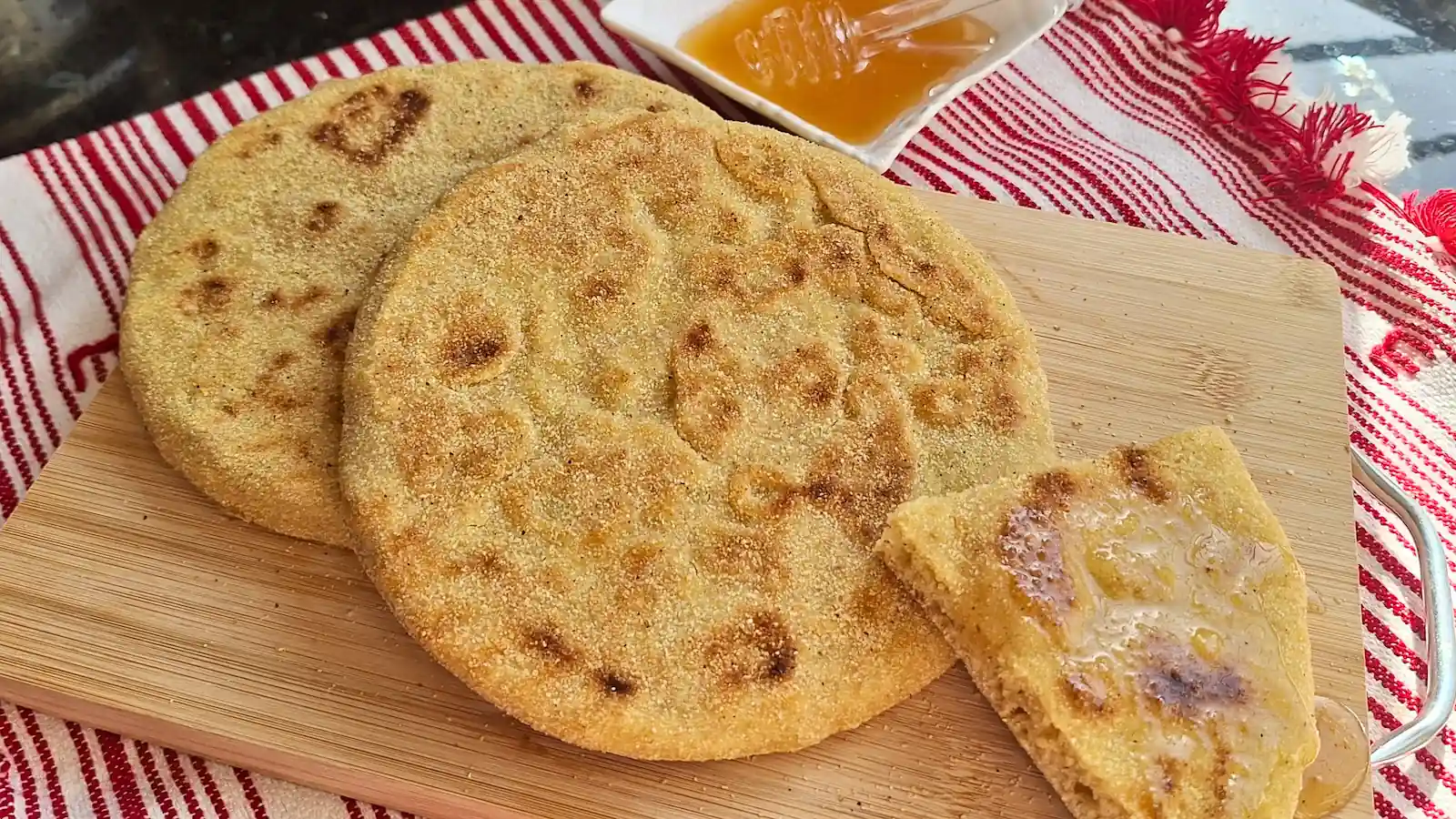
Ingredients (Yields 4 Flatbreads)
- Extra-Fine Semolina Flour (Fino): 300g (1 ¾ cups) Do not use regular coarse pasta semolina, or your bread will turn out hard!
- All-Purpose Flour: 250g (2 cups) Blending this with the Extra-Fine Semolina Flour ensures the dough stays light, allowing it to puff up beautifully.
- Active Dry Yeast: 1 tsp – Traditional bread yeast (not baking powder!) is what gives the bread its airy volume.
- Salt: ⅔ tsp
- Warm Water: 300ml (1 ¼ cups) Different flours absorb moisture differently, so you may not need the entire amount!
- Butter: A tiny touch (about 1-2 tsp) — Melted in the hot pan right before cooking for an irresistible flavor and a stunning golden, blistered crust.
Mama’s Tips & Notes
follow this little yet important tips for better results
The Science of the Dough
- The “Enemies” Rule (Salt vs. Yeast): This is Mama’s strictest rule. When adding ingredients to your bowl, put the yeast (khmira) on one side and the salt on the exact opposite side. If raw salt touches the yeast directly before mixing, it can kill the yeast and prevent your bread from rising.
- The Hydration Dance: Never dump all 300ml of water in at once! Different brands of flour absorb moisture differently. Add the warm water gradually while mixing. You want a smooth, pliable aajina (dough) with no dry flour left, but it shouldn’t be overly sticky. (I highly recommend watching the short video in the recipe card below to see exactly what this perfect texture looks like!)
The Resting Rules
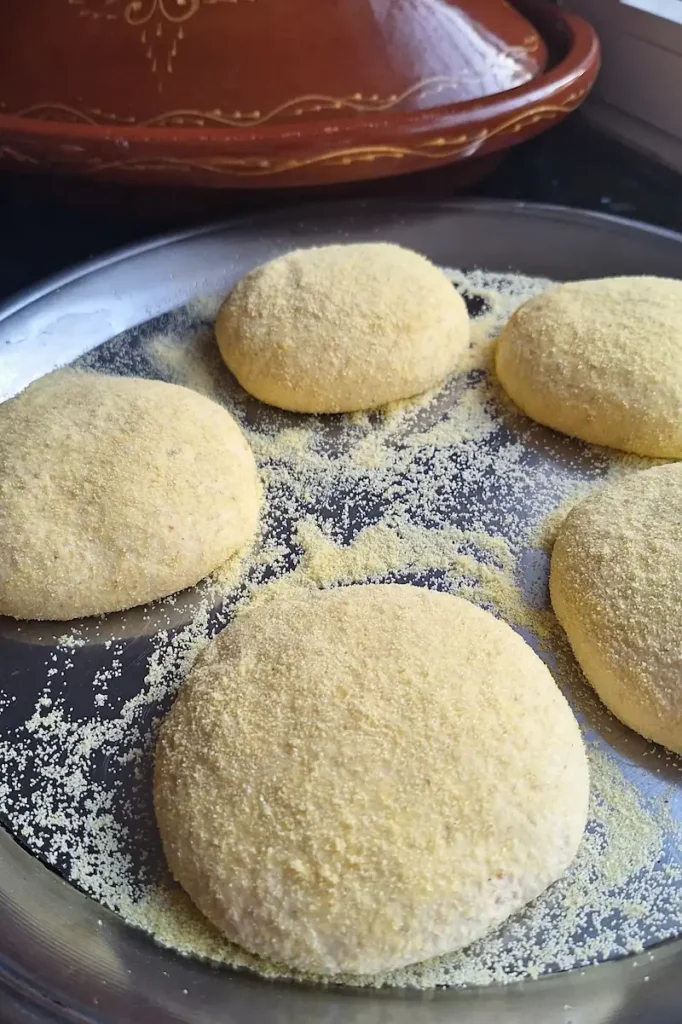
- Don’t Let it “Fight Back”: After dividing your dough into 4 balls, you must let them rest for 5 minutes before trying to flatten them. This quick rest relaxes the gluten. If you try to flatten them immediately, the dough will stubbornly spring back and “fight” you!
- The Light Blanket Trick: For the final 10-minute rise, you need to keep the dough warm. If your kitchen is a bit chilly, cover the flatbreads to help the yeast activate. But be warned: never use a heavy winter blanket! A heavy covering will literally crush the dough and destroy all the beautiful volume the yeast just created. Use a light, clean kitchen towel or a very lightweight throw.
The Cooking Secret
- The Butter Sizzle: While you can dry-toast this bread, Mama’s ultimate trick is melting a tiny touch of butter in the center of your heavy pan right before adding the dough. It gives the bread an irresistible flavor and that signature, gorgeous golden-blistered crust.
Frequently Asked Questions about Batbout
More Tasty Ideas from Mama’s Cozy Recipes
If this dish made you smile, you’ll love these other delicious picks too.
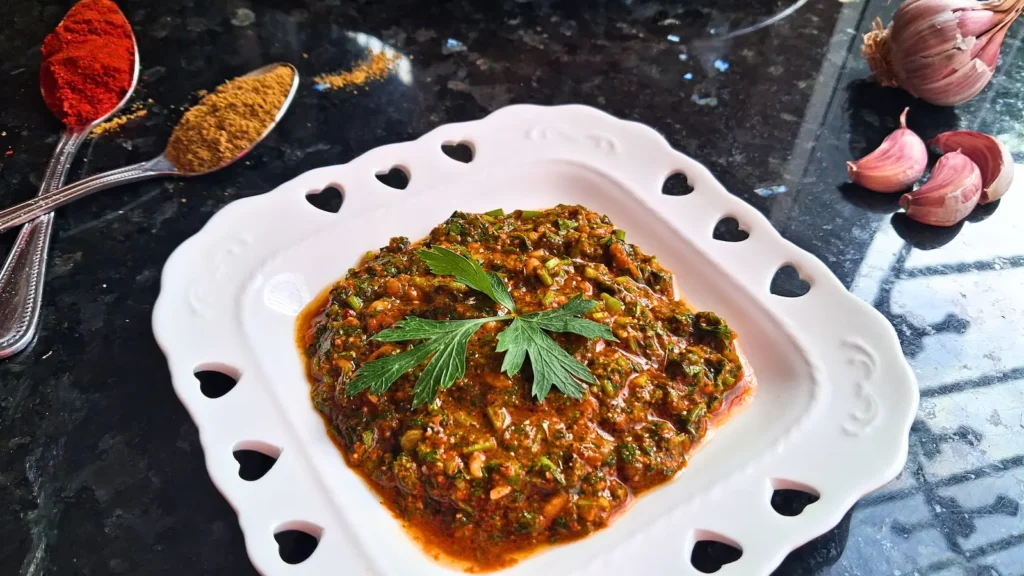
Authentic Moroccan Chermoula (The Ultimate Seafood Marinade)

Authentic Moroccan Harira Soup
Save Mama’s recipe for later!
Don’t lose this authentic 5-ingredient stovetop bread. Pin it to your favorite Moroccan food board so you can easily find it when the craving hits.
Save to Pinterest
The Recipe Card
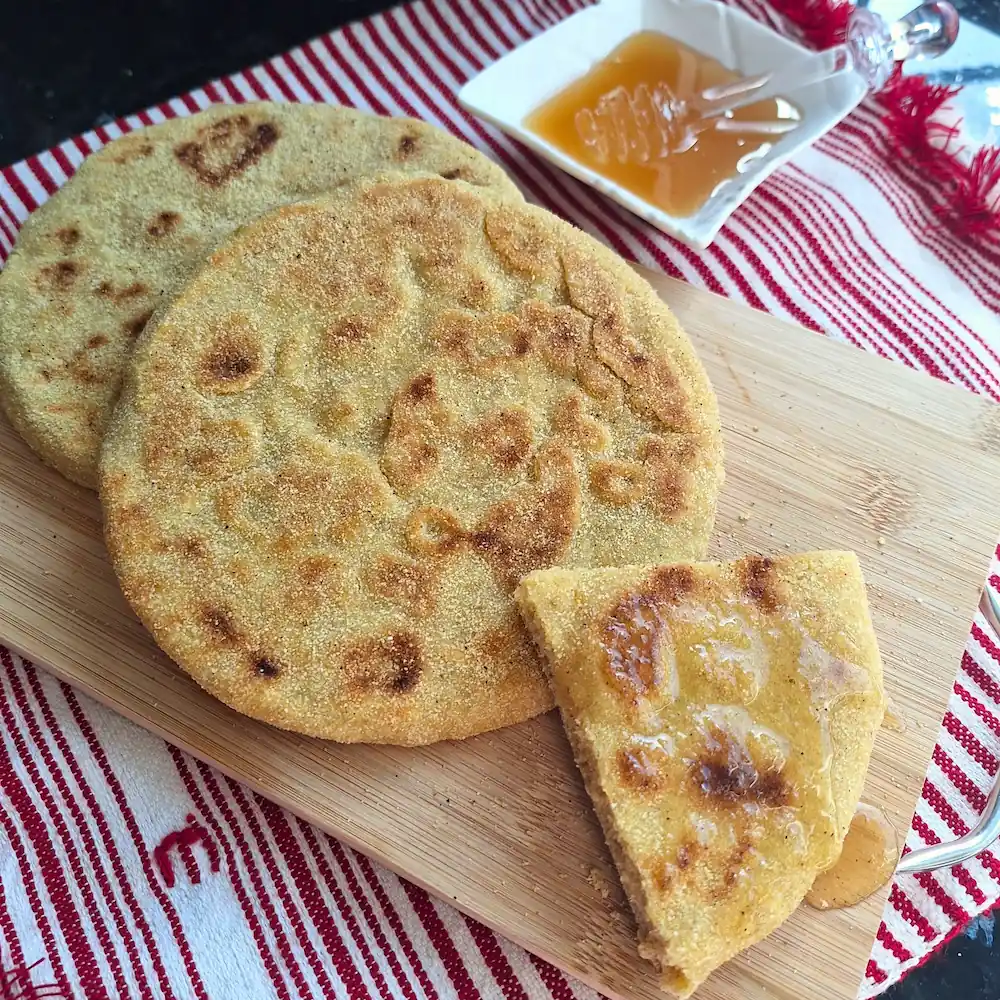
Authentic Moroccan Batbout
Ingredients
Equipment
Method
- Sift and Separate: Sift the extra-fine semolina (Fino) and all-purpose flour into a large mixing bowl. Add the yeast to one side of the bowl, and the salt to the exact opposite side. (Crucial: Do not let the raw salt and yeast touch before mixing! Salt can kill the yeast and prevent your bread from rising).
- The Hydration & The Oil Coating: Begin mixing your dry ingredients (either by hand or with a dough hook). Gradually pour in your warm water bit by bit. Continue kneading until a smooth, cohesive dough forms with no dry flour remaining at the bottom of the bowl. (Watch the dough closely, you may not need the full 300ml!). Once beautifully smooth (check out the quick video above to see the exact dough texture you are looking for!), rub two drops of vegetable oil over the outside of the dough ball so it won't get sticky later. Cover the bowl and let the Batbout dough rest for 30 minutes.
- Roll and Relax: After 30 minutes, punch the dough down to release the trapped air and divide it into 4 equal balls. Tuck the edges underneath using your hands to create a tight, smooth surface. Cover the balls with a clean towel and let them rest for exactly 5 minutes. (Do not skip this! Check the "Resting Rules" in Mama's Tips & Notes section in the post above to see why this quick pause stops your semolina pan bread dough from stubbornly "fighting back"!).
- Flatten and the Final Rise: Dust your clean work surface with a little extra Fino. Pat each dough ball into a small, round flatbread disc, dusting with Fino so it doesn't stick (watch the video to see exactly how thick to make them!). Cover the discs and let them rest for 10 minutes to puff up. (Tip: Make sure to use a light, clean kitchen towel to cover them! A heavy blanket will literally crush the dough and destroy the volume of your easy stovetop bread).
- The Stovetop Sear: Heat a heavy Moroccan farah or cast-iron skillet over medium heat. Right before adding the dough, melt a tiny touch of butter in the center of the pan. (This is Mama's ultimate secret: the sizzling butter gives the bread an irresistible flavor and a beautiful golden, blistered crust!). Carefully place a flattened disc in the pan. Once tiny bubbles appear and the top surface loses its raw moisture, immediately flip it over.
- Puff and Cool: Let the second side cook until the bread magically puffs up like a balloon to create that iconic Moroccan pita bread pocket! Flip it back and forth for a few seconds until both sides are perfectly golden. Remove from the heat, but do not stack them! (Check the FAQ section above to see exactly how to cool and store these flatbreads so they stay meltingly soft).
Video
Notes
- The Semolina Rule: Do not substitute the Extra-Fine Semolina (Fino) with standard, coarse pasta semolina! Coarse semolina will make your dough incredibly dense, while Fino is the secret to a fluffy, pillowy texture.
- Troubleshooting the “Pocket”: If your bread doesn’t magically puff up like a balloon on the stove, it usually means your pan wasn’t hot enough, or the dough was rolled too thick. You need that initial burst of heat to create the internal steam!
- Storage & Freezing: Never stack them while hot! Once cooled separately on a towel, keep them in an airtight bag at room temperature for up to 2 days, or freeze them for up to 2 months. (Check the FAQ Section in the post above to see Mama’s favorite trick for reheating them so they taste freshly baked!)
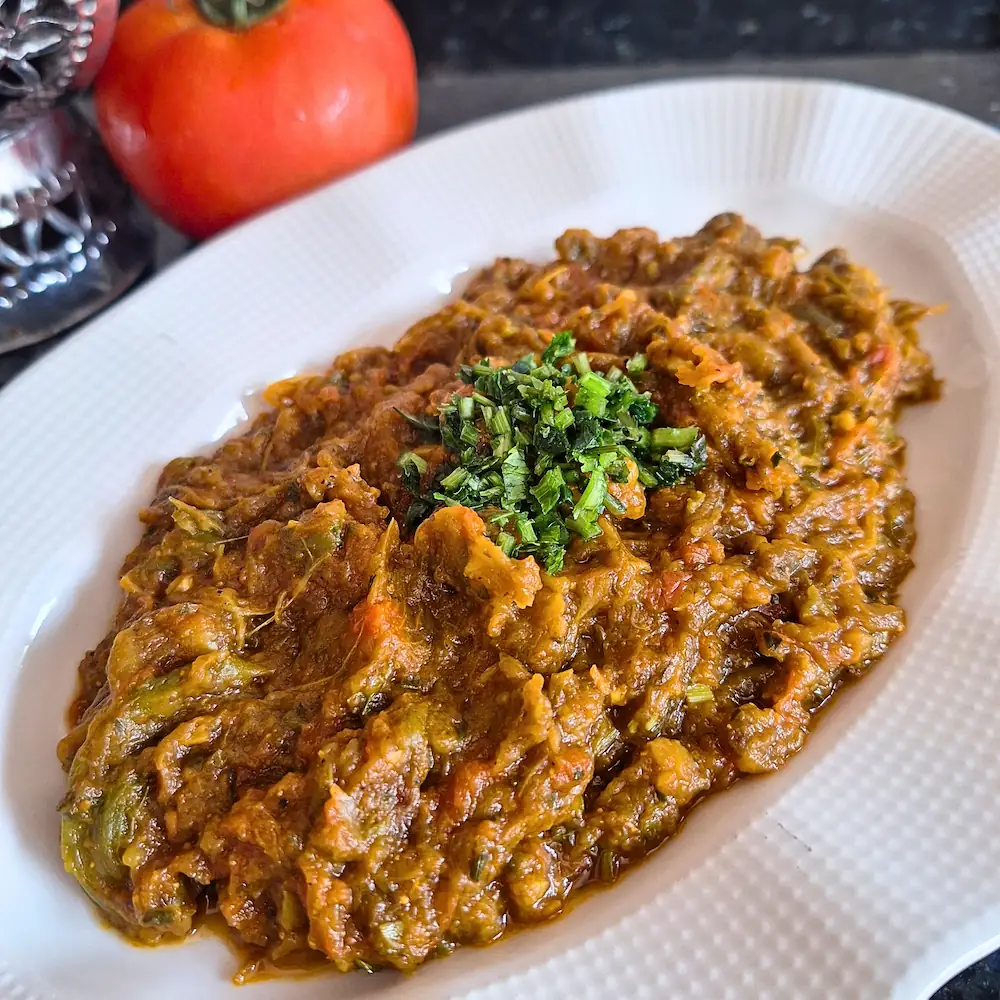
- Serving Suggestions: This bread is the ultimate Moroccan chameleon. Scroll up to the What to Serve with Batbout section in the post to see Mama’s favorite pairings, from scooping savory dips like Zaalouk to a sweet breakfast with melted butter and honey!
Leave a Comment